Integrating Neuroscience and AI: The NeuroMirror Approach
Understanding the NeuroMirror Approach
In recent years, the fusion of neuroscience and artificial intelligence has opened new avenues for innovation. One of the most promising developments is the NeuroMirror approach, which seeks to harness the brain's natural processes to enhance AI capabilities. This integration not only revolutionizes technology but also offers profound insights into human cognition.
The NeuroMirror approach aims to replicate neural mechanisms within AI systems, allowing machines to process information in ways that mimic human thinking. By understanding how neurons interact and communicate, researchers can design algorithms that improve learning efficiency and decision-making.
The Role of Synaptic Plasticity
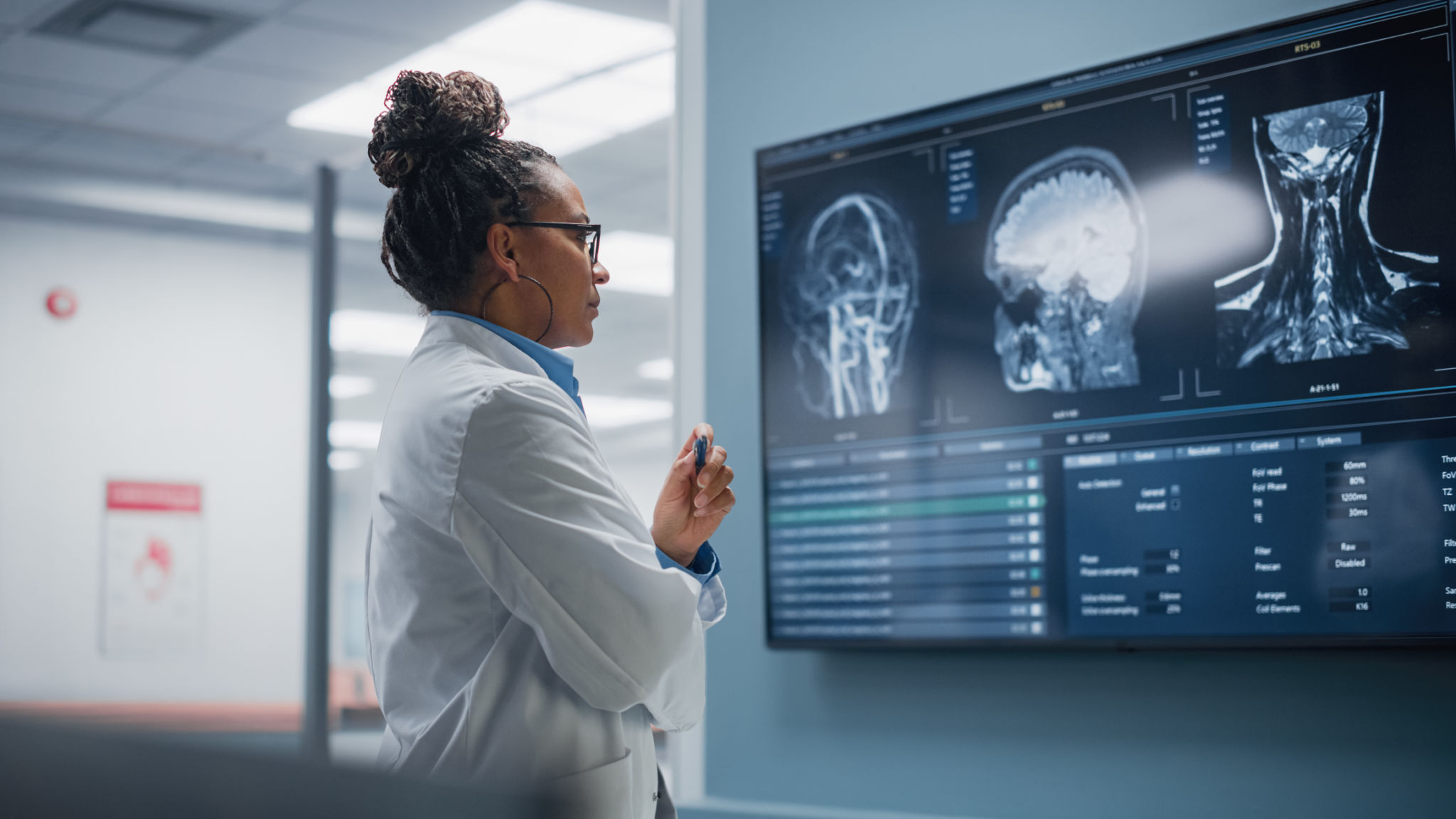
A key component of the NeuroMirror approach is synaptic plasticity, the brain's ability to strengthen or weaken connections between neurons based on experience. This adaptability is crucial for learning and memory in humans and is now being integrated into AI models to enhance their adaptability.
Implementing synaptic plasticity in AI involves developing systems that can adjust their parameters based on feedback, similar to how the brain learns from new experiences. This capability allows AI to refine its performance over time, leading to more accurate predictions and better decision-making.

Applications of NeuroMirror in AI
The NeuroMirror approach has numerous applications across various industries. In healthcare, it can improve diagnostic tools by enabling AI to recognize patterns in medical images that are too complex for traditional algorithms. This can lead to earlier detection of diseases and more personalized treatment plans.
In the realm of robotics, NeuroMirror-equipped machines can adapt to new environments more efficiently, enhancing their ability to perform tasks that require intricate manipulation and problem-solving skills. This adaptability is crucial for developing autonomous systems capable of functioning in dynamic settings.
Challenges and Ethical Considerations
While the integration of neuroscience and AI holds immense potential, it also presents challenges. Ensuring that AI systems remain transparent and accountable is essential to prevent misuse. Additionally, there are ethical considerations regarding the extent to which machines should mimic human cognition.
Researchers must also address the potential biases that can arise when AI models learn from neural data. Developing strategies to mitigate these biases is crucial to ensure fair and unbiased outcomes in AI applications.
The Future of NeuroMirror
As the NeuroMirror approach continues to evolve, it promises to reshape the landscape of technology and neuroscience. Future developments may see more sophisticated AI systems capable of understanding and interacting with humans in ways previously thought impossible.
Collaboration between neuroscientists and AI researchers will be pivotal in unlocking the full potential of this approach. By combining expertise from both fields, we can pave the way for innovations that benefit society as a whole.
In conclusion, the NeuroMirror approach represents a significant leap forward in the integration of neuroscience and AI. With continued research and collaboration, it holds the promise of transforming industries and enhancing our understanding of the human brain.