NeuroMirror: A Comprehensive Review of an AI Therapy Platform
Introduction to NeuroMirror
In recent years, the intersection of technology and mental health has led to the development of innovative platforms designed to enhance therapeutic practices. One such platform making waves is NeuroMirror, an AI-driven therapy tool that promises to revolutionize the way therapy is conducted. In this comprehensive review, we will delve into the features, benefits, and potential drawbacks of NeuroMirror.
What is NeuroMirror?
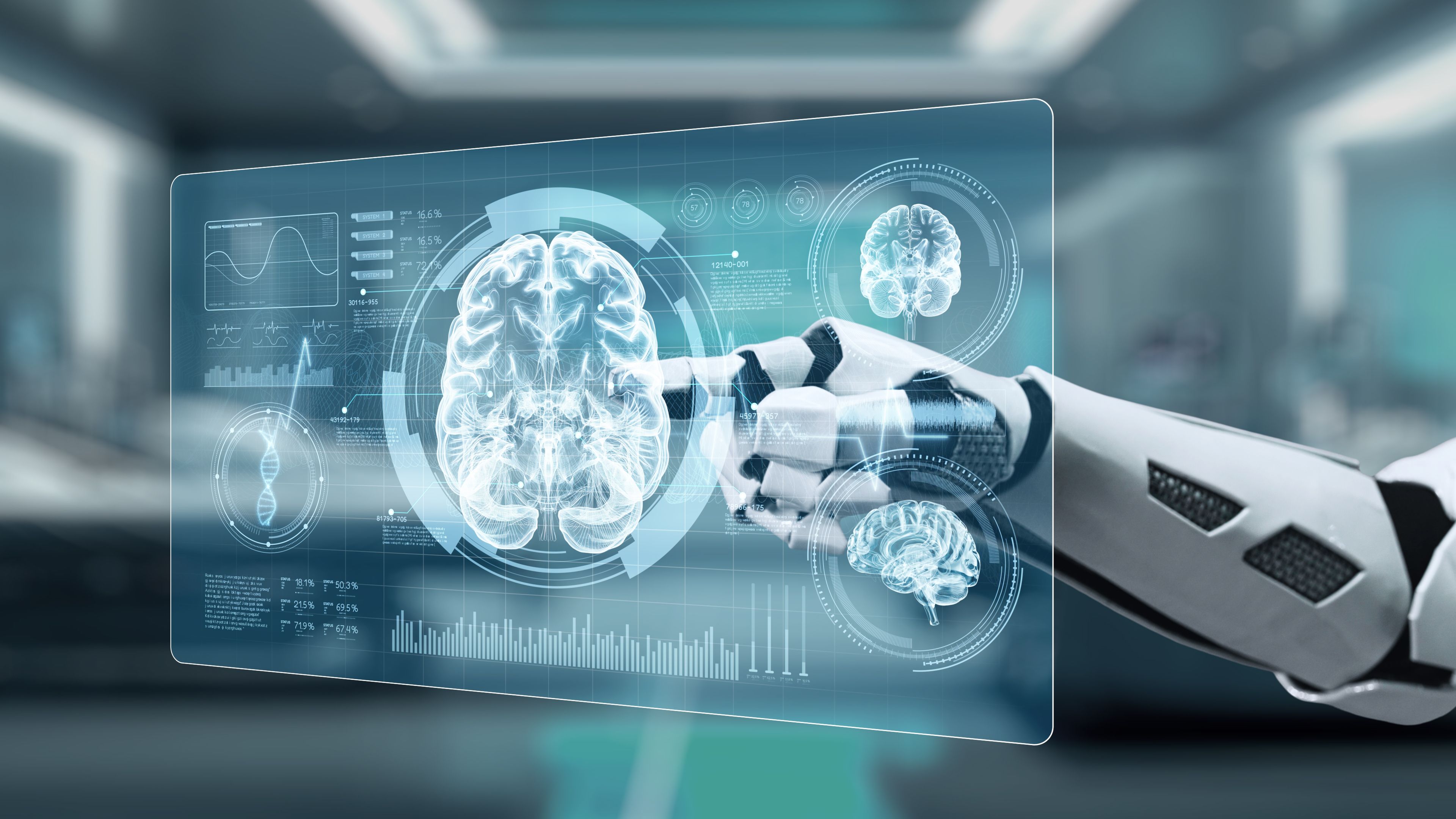
NeuroMirror is an AI-based platform that leverages machine learning algorithms to facilitate therapy sessions. It aims to provide therapists and clients with deeper insights into mental health conditions through advanced data analysis. By utilizing patterns in speech, facial expressions, and emotional cues, NeuroMirror offers personalized therapeutic recommendations.
This platform is designed to assist both therapists and clients by offering tools that enhance traditional therapy methods. Whether it's tracking progress or suggesting new therapeutic approaches, NeuroMirror is a versatile tool in the mental health arsenal.
Key Features
NeuroMirror stands out due to its array of impressive features:
- Real-Time Analysis: The platform analyzes conversations in real-time, providing immediate feedback and insights.
- Emotion Recognition: By evaluating facial expressions and tone of voice, NeuroMirror can identify emotional states.
- Personalized Recommendations: Based on data analysis, it offers customized therapy plans tailored to individual needs.

Benefits for Therapists and Clients
For therapists, NeuroMirror serves as an invaluable tool for enhancing session quality. It allows for a more objective evaluation of client progress, enabling therapists to adjust treatment plans effectively. The detailed reports generated by the platform can also aid in clinical documentation and research.
Clients benefit from a more engaging and tailored therapeutic experience. With a focus on personalization, NeuroMirror ensures that therapy sessions are aligned with individual goals and emotional states, fostering a more productive therapeutic journey.
Potential Drawbacks
Despite its many advantages, NeuroMirror is not without potential limitations. Privacy concerns are a significant consideration, as the platform processes sensitive personal data. Ensuring robust data protection measures is crucial for user confidence.
Additionally, the dependency on technology may not suit all therapy clients, especially those who prefer a more traditional approach. It is essential for therapists to evaluate the suitability of NeuroMirror on a case-by-case basis.

Integration with Existing Therapy Practices
NeuroMirror is designed to complement rather than replace traditional therapy methods. It offers a seamless integration process, allowing therapists to incorporate its features into their existing practices without disruption. The platform’s compatibility with various devices further enhances its accessibility and ease of use.
Future Prospects
The future of AI in therapy is promising, and NeuroMirror is at the forefront of this evolution. Ongoing developments in AI and machine learning are expected to enhance its capabilities, offering even more precise and effective therapeutic interventions.
As technology continues to evolve, NeuroMirror is poised to become an indispensable tool in the mental health field, bridging the gap between human insight and technological innovation.