Neuroscience and AI: A New Era for Autism Therapy
Introduction to Autism Therapy
Autism Spectrum Disorder (ASD) affects millions of individuals worldwide, presenting unique challenges in communication, behavior, and social interaction. Traditional therapies have provided some relief, but advancements in neuroscience and artificial intelligence are paving the way for more tailored and effective interventions.
Recent developments in AI and neuroscience offer potential breakthroughs in understanding and treating autism. These technologies are enabling more personalized and adaptive therapy methods, offering hope to those affected by ASD and their families.

The Role of Neuroscience in Understanding Autism
Neuroscience has significantly contributed to our understanding of the brain's structure and function in individuals with autism. By examining neural pathways and brain activity, researchers have identified distinctive patterns that help explain the challenges faced by those with ASD.
This growing body of knowledge is essential for developing targeted therapies that address specific neurological differences. The insights gained from neuroscience are crucial for creating interventions that align with each individual's unique needs and capabilities.

How AI is Revolutionizing Autism Therapy
AI is transforming the landscape of autism therapy by providing tools that enhance diagnosis and treatment. Machine learning algorithms can analyze vast amounts of data to identify patterns and trends, leading to more accurate and early diagnoses.
Moreover, AI-powered applications and devices are being developed to aid communication and social interaction for those with autism. These technologies are designed to adapt to the user's behavior, offering a customized and evolving therapeutic experience.

Innovative Tools and Applications
Several innovative tools are emerging from the intersection of neuroscience and AI. These include:
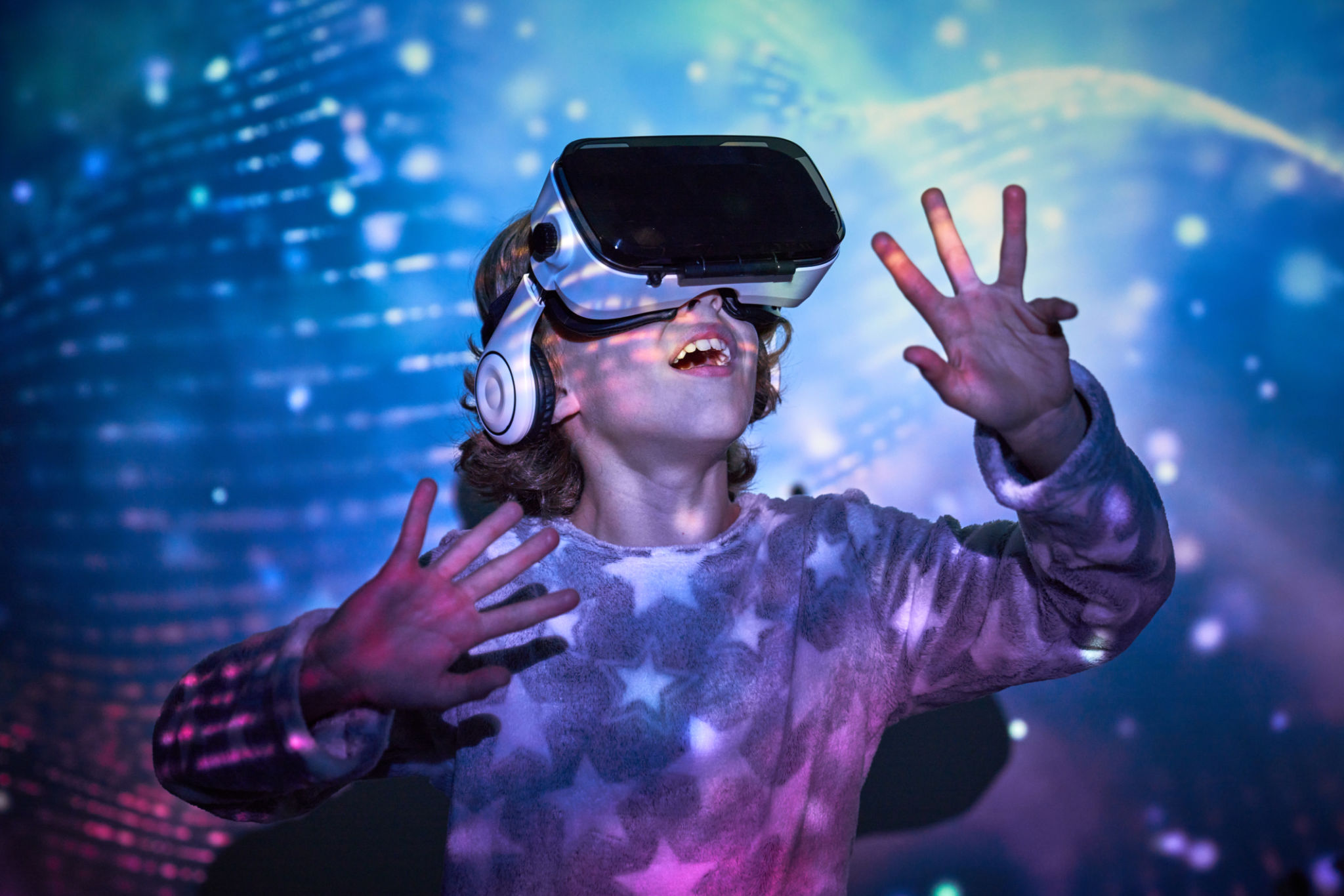
- Virtual Reality (VR) Environments: VR provides immersive experiences that can help individuals with autism practice social situations in a controlled setting.
- Wearable Devices: These track physiological responses and offer real-time feedback, assisting in managing stress and anxiety.
- Speech Recognition Software: This aids in improving communication by analyzing speech patterns and suggesting improvements.
These tools are not only enhancing therapy but also empowering individuals with autism to gain greater independence and confidence.
Challenges and Ethical Considerations
While the integration of AI and neuroscience in autism therapy is promising, it is not without challenges. Issues such as data privacy, accessibility, and the need for personalized approaches must be carefully considered.
Ethical considerations also play a crucial role. Ensuring that these technologies are used responsibly and equitably is essential to avoid exacerbating existing disparities in autism care and support.

The Future of Autism Therapy
The collaboration between neuroscience and AI holds the potential to revolutionize autism therapy further. As these technologies continue to evolve, they will likely lead to even more innovative and effective solutions.
By embracing these advancements, we can look forward to a future where individuals with autism have access to therapy that is not only more effective but also more aligned with their personal experiences and needs.
In conclusion, the synergy between neuroscience and AI represents a new era in autism therapy, offering hope and improving quality of life for countless individuals and their families.